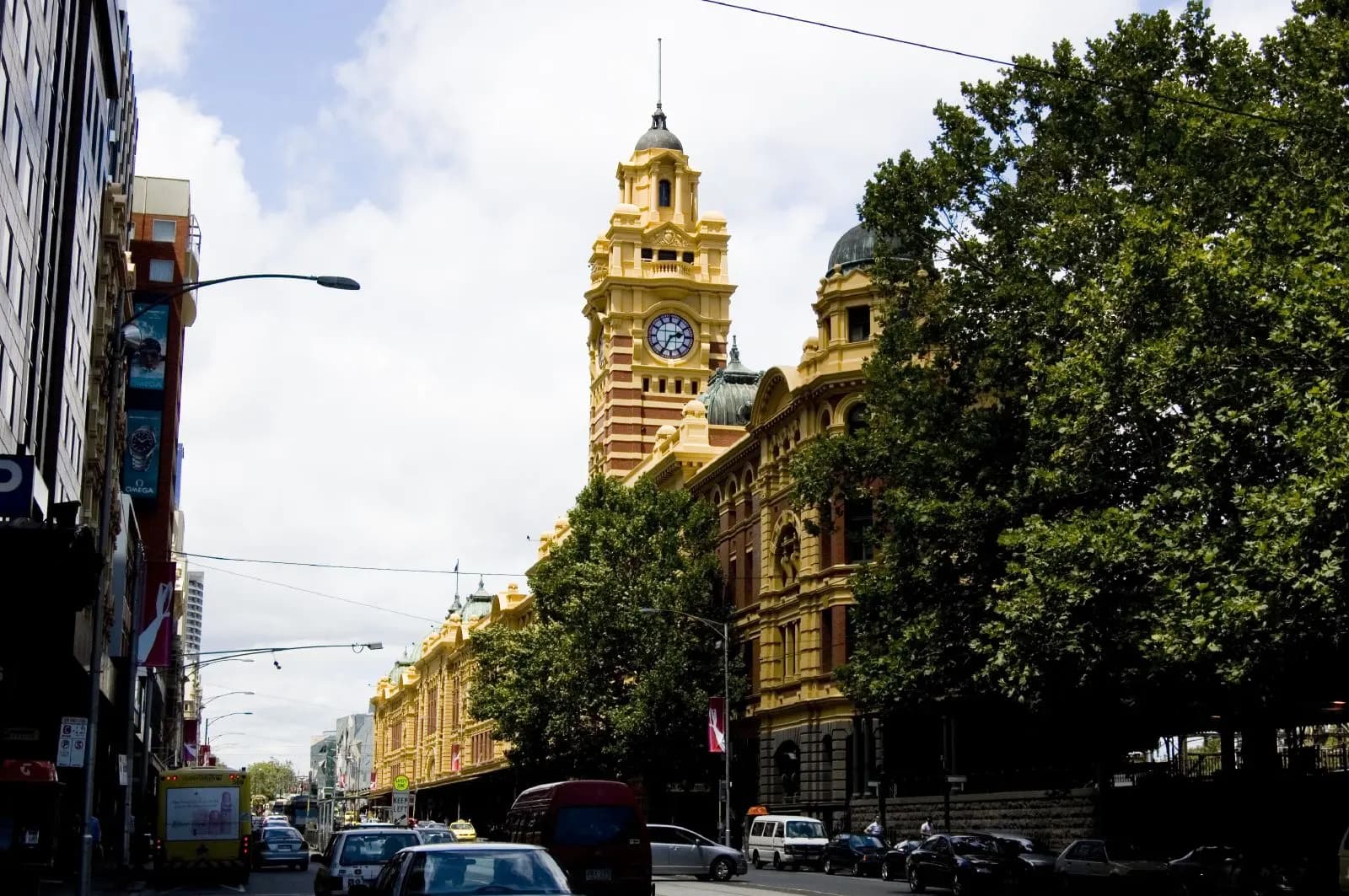
Melbourne CBD after an Asia stopover
Asia hubs absorb the long sector. Melbourne’s grid rewards the travellers who refuse to collect every named attraction on day one.
Melbourne’s Hoddle Grid is small enough to punish greed. After Singapore, Tokyo, Hong Kong or Bangkok, the temptation is to treat the CBD like another transit diagram: station, lane, coffee, lane, gallery, market, done. That is how first days become queues. This note is the soft-landing version — one spine, PTV-first, and enough sleep that the coffee actually tastes like Melbourne.
Why Asia stopovers pair with Melbourne
East and Southeast Asia absorb the longest sector for many Europe–Australia and North Asia–Australia tickets. Melbourne then becomes the first Australian city that feels walkable without a hire car. That only works if you leave Asia rush at the hotel door. If you are still choosing which Asia cities deserve nights before Australia, keep that research with <a href="https://amazingasia.com">amazing asia</a> so the CBD day stays a CBD day.
Before you leave the hotel
Read PTV on the Free Tram Zone as it stands this week — not as a 2019 blog remembered it. Decide whether today stays inside that map. If you might leave it, arrange myki the way PTV currently tells you to.
If you flew into Tullamarine, use the airport guide rather than inventing a metropolitan train that does not exist in the terminals. Jet lag plus wrong-platform confidence is an expensive comedy.
Three soft spines (pick one)
River and square. Flinders Street to Federation Square, one tenant if it is open to you today, river terrace, then stop. Hosier Lane is optional punctuation, not a scavenger requirement — see Hosier Lane.
Swanston civic. State Library after checking opening hours, south through the retail crossing, one arcade for cover, finish at the station. This spine teaches how civic north sits on shopping middle.
Lanes and stone. Degraves / Centre Place into a short laneway cluster, then heritage arcades so the day is not only paint. Eat when hungry from a room you can see; use eat and drink as precinct hint, not a ranking site.
Detailed first-day logic also lives in A first day in the CBD. Today’s difference is the Asia context: fewer spines, earlier lights-out.
What to refuse on day one
Queen Victoria Market plus NGV International plus a peninsula rumour plus a sunset bar crawl is not a first day; it is a brochure. Leave markets, international galleries, and any suburb for day two. If rain deletes the outdoor spine, switch to the rainy-day note without inventing a fourth plan.
Food, caffeine and sleep
Melbourne coffee culture is real. It is also a trap when you replace sleep with a third long black. Cap caffeine after mid-afternoon local time on arrival day. Eat a proper meal early. Hotel blackout curtains beat another laneway photo.
Card payments are widespread; still keep a little AUD for small vendors. Notify Asia-issued banks of Australian spend so authorisations do not fail at the worst café.
Day two options once you have slept
- A fuller laneway walk without a tour — laneway walk note.
- Free things if you want low-cost civic rooms.
- A booked city experience only when the listing matches the CBD — see tours and confirm live details; we do not invent tour IDs here.
Multi-day bridge from Asia
- Asia hub nights as planned.
- Melbourne night 1 — soft spine only.
- Melbourne day 2 — one deeper CBD theme or a single day trip corridor you actually researched.
- Only then stack Great Ocean Road or Yarra Valley energy.
Melbourne after Asia should feel like permission to walk slowly. Pick one spine, trust PTV, and let the grid stay small on purpose.
Photography without performing exhaustion
Laneway murals photograph better when you are not swaying. Midday harsh light in narrow lanes is also a technical problem. Early morning or late afternoon after a nap beats a flash-blasted arrival hour. Stay out of private doorways; residents live here. Drones over the CBD are a regulatory maze — leave them packed.
Connecting Melbourne to a wider Australia–Asia ticket
Open-jaw ideas (Asia–Melbourne–Sydney–Asia) work when each city has a job. Melbourne’s first job is walkable recovery. Sydney’s job might be harbour time. Do not make Melbourne the dump bag for every Victorian day trip on night one. The grid will still be here when you can feel your feet.
Trams, walking pace and group travel
Multi-generation groups arriving from Asia often include different walking speeds. Pick the spine for the slowest comfortable walker, not the most ambitious Instagram plan. Trams inside the Free Tram Zone are useful, but hopping every two stops to “see more” recreates transit fatigue. Sit when the group needs to sit. Public toilets at major civic buildings beat improvising.
If someone in the group needs step-free routes, check current PTV and venue access pages before you promise a laneway that is really a staircase with murals.
What people always ask
Should I do laneways the morning I land from Asia?
Only if you slept. Otherwise walk one short spine near your hotel, eat, and sleep. Save Hosier Lane and arcades for a rested morning.
Is the Free Tram Zone enough after jet lag?
For a first soft day, yes. Confirm the current Free Tram Zone map on PTV before you leave the hotel.
How does Melbourne pair with an Asia itinerary?
Use Asia cities for the long-haul break, Melbourne for a walkable grid day, then add a Yarra or peninsula day only when you are sleeping locally.
More CBD orientation
Return to the blog index or start with the laneways and transport hubs.
Browse the blog